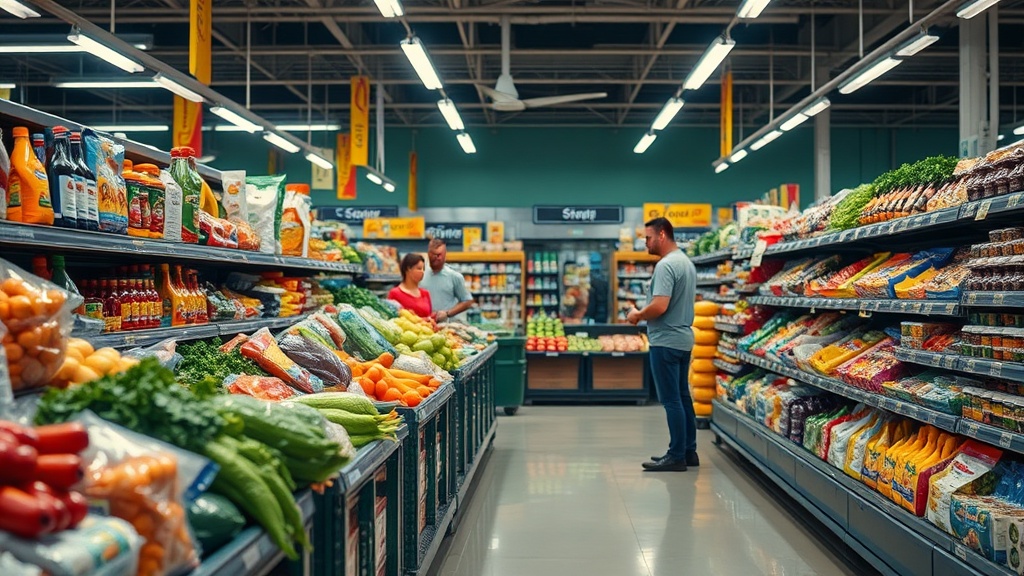
Finding High-Quality Grocery Items for Less: A Practical Approach

What are the best ways to reduce your weekly grocery bill?
You'll learn how to identify high-value food items, track price cycles, and use strategic shopping habits to lower your grocery costs without sacrificing quality. Finding better prices isn't about luck; it's about knowing where to look and when to act. Most people overpay because they shop out of habit rather than checking the actual math behind a sale. If you want to stop overspending on basic staples, you need a repeatable system.
The first step involves understanding the difference between a good deal and a mediocre one. A store might label something as "on sale," but if the price hasn't dropped significantly below the average retail price, you aren't actually saving much. Real savings come from identifying deep discounts on items you actually consume. Instead of buying a random discounted item, wait for the specific brands or types of produce you love to hit their lowest price points. This requires a bit of patience, but the long-term payoff is massive.
One of the most effective tactics is monitoring the sales cycles of major retailers. Most stores operate on a weekly or bi-weekly rotation. If you notice that your preferred brand of olive oil or organic coffee goes on sale every six weeks, don't buy it when it's at full price. Buy it in bulk during that six-week window. This isn't just about being cheap; it's about being efficient. You're building a pantry of essentials during their most affordable periods.
How can I find much cheaper groceries online?
Digital tools have changed the way we hunt for deals. You don't have to walk through every aisle of a physical store to find a deal. Many grocery stores now offer robust online platforms where you can compare prices instantly. Using apps that aggregate weekly flyers is a huge advantage. Instead of flipping through paper, you can search for "eggs" or "milk" across multiple local retailers to see who is actually offering the lowest price this week.
Another way to find better deals online is through specialized grocery delivery-only platforms or wholesale websites. Sometimes, buying a larger quantity of a non-perishable item through an online wholesaler is significantly cheaper than picking up a single unit at a local corner store. It's worth checking out sites like Walmart or other major retailers to see if their online-only prices beat your local shop. Just be mindful of shipping costs—if the shipping fee wipes out your savings, the deal is gone.
Don't ignore the power of digital coupons and loyalty programs. Many stores now offer digital-only coupons that are exclusive to their apps. These aren't just generic discounts; they are often highly specific to your shopping habits. If you frequently buy certain yogurt brands, the store's app might offer you a specific discount just for that item. It's a small nudge, but when it adds up over a month, it makes a noticeable difference in your bank account.
Where can I get high-quality food for a lower price?
Quality doesn't always have to mean high price tags. Many people assume that "premium" or "organic" labels always carry a massive markup, but that isn't always the case. You can often find high-quality, organic, or locally sourced items at much lower price points if you know where to look. For instance, many grocery stores offer significant markdowns on produce that is nearing its "best before" date but is still perfectly safe and nutritious to eat. This is a great way to get high-end fruits and vegetables for pennies on the dollar.
Consider these three strategies for high-quality sourcing:
- Shop the Perimeter: Most of the fresh, high-quality food is located around the edges of the store. The center aisles are often filled with processed goods that have higher margins and lower nutritional value.
- Check the Unit Price: Never look at the total price alone. Always look at the small print on the shelf tag that shows the price per ounce, gram, or unit. A large bag might look like a better deal, but the unit price often reveals a different story.
- Buy Generic for Staples: For items like salt, sugar, flour, or canned beans, the generic or store brand is almost always identical in quality to the name brand. There is no reason to pay for a fancy logo on a bag of flour.
If you're looking for more data on how food pricing works, the Canadian Food Inspection Agency provides great resources on food standards and safety. Knowing the standards helps you realize when a product is actually high-quality versus when it's just clever marketing. Often, the "premium" version of a product is just the same stuff in a different package. Once you recognize this, you can stop paying the "brand tax" and focus on getting the actual product you need at a fair price.
Another way to keep costs down is to embrace seasonal eating. Produce that is in season is naturally more abundant, which means it's cheaper and higher quality. Buying strawberries in January is a recipe for high costs and mediocre taste. If you want the best food for the least amount of money, follow the seasons. It's a simple way to ensure you're getting the best value without having to spend hours researching every single item in your cart.